Roof Repair in Tempe: Common Roofing Issues Caused by Arizona Heat
Living in Tempe means dealing with intense sunshine, long summers, and extreme temperatures for much of the year. While Arizona’s climate offers plenty of clear skies, it can also take a serious toll on roofing systems. Homeowners and property managers often discover that prolonged UV exposure, heat expansion, and monsoon season moisture can shorten the lifespan of many roofing materials if they are not properly maintained.
Whether you own a tile roof, flat roof, or commercial roofing system, understanding how Arizona heat affects your roof can help you prevent expensive damage. Many homeowners searching for roof repair Tempe or roof repair Tempe AZ are often dealing with issues that started small but worsened over time due to heat exposure.
How Arizona Heat Impacts Roofing Systems
Arizona roofs experience constant thermal expansion and contraction. During the day, roofing materials heat up significantly under direct sunlight. At night, temperatures cool rapidly. This daily cycle causes roofing materials to expand and contract repeatedly, which can weaken roofing components over time.
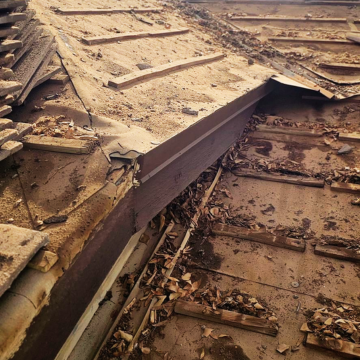
In areas like Tempe, roofs may also face:
UV deterioration
Cracked roofing materials
Dry and brittle underlayment
Sealant failure
Water intrusion during monsoon storms
Premature aging of roofing systems
Many roofers in Tempe commonly see heat-related damage accelerate after several summers, especially on older roofs that have not received regular maintenance or inspections.
Cracked and Broken Roof Tiles
One of the most common roofing issues in Arizona involves cracked concrete or clay roof tiles. Homeowners with a tile roof Tempe property often assume the tiles themselves are the only protective layer, but the underlayment beneath the tiles plays a critical role in waterproofing.
Arizona heat can cause roof tiles to become brittle over time. Even durable tiles can crack due to thermal stress, foot traffic, or aging. Once tiles are damaged, the underlayment underneath becomes exposed to UV rays and moisture.
Signs of tile roof damage include:
Cracked or slipped tiles
Water stains on ceilings
Debris collecting in valleys
Loose ridge caps
Visible underlayment exposure
If left untreated, damaged tiles can eventually lead to leaks and structural damage. In many cases, homeowners may need partial repairs before considering a full roof replacement Tempe project later on.
Underlayment Deterioration
Arizona’s extreme temperatures can rapidly wear down roofing underlayment. Even when roof tiles appear intact, the waterproof layer underneath may already be failing.
This is especially common on older roofs throughout Tempe where the original underlayment has become dry, cracked, or brittle from years of heat exposure. Once the underlayment fails, leaks can develop during monsoon storms or heavy rainfall.
Homeowners searching for roof inspection Tempe AZ services are often surprised to learn their roof issues are hidden beneath the surface. A professional inspection can identify early warning signs before water damage spreads throughout the home.
Flat Roof Problems in Tempe
Flat roofs are popular across Arizona, especially on modern homes, apartments, and commercial buildings. However, flat roof Tempe properties are particularly vulnerable to standing water and heat-related membrane damage.
Because flat roofs absorb significant sunlight throughout the day, roofing materials can deteriorate faster without proper maintenance or protective coatings. Common flat roof issues include:
Ponding water
Cracked coating systems
Blistering roofing membranes
Seam separation
Drainage problems
Surface splitting from UV exposure
Many building owners invest in Arizona flat roof coating Tempe, AZ services to extend the life of their roofing systems. Roof coatings help reflect sunlight, reduce roof temperatures, and create an additional waterproof barrier against Arizona weather conditions.
Regular maintenance and recoating can significantly improve the lifespan of flat roofing systems while reducing cooling costs during summer months.
Roof Leaks During Monsoon Season
Arizona homeowners often notice roof leaks for the first time during monsoon season. Heavy rains combined with high winds can expose weak areas that developed over time from heat damage.
Small cracks, failed flashing, or worn sealants may remain unnoticed during dry weather but quickly become major leak points during storms. Water intrusion can damage insulation, drywall, ceilings, and even electrical systems if not addressed quickly.
A reliable roofing company Tempe AZ homeowners trust will typically recommend inspections before monsoon season begins. Preventive maintenance can identify vulnerable areas and help reduce emergency repair costs later in the year.
Foam Roof Damage and Coating Wear
Foam roofing systems are common throughout Arizona because of their energy efficiency and seamless waterproofing capabilities. However, foam roofs still require periodic recoating to remain protected against UV rays.
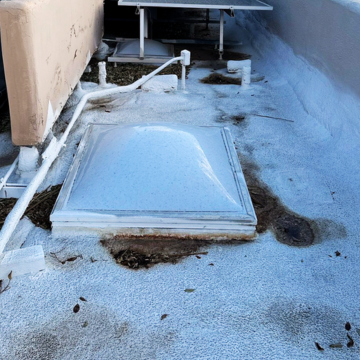
Over time, Arizona heat can wear away the protective coating layer, exposing the foam underneath. Once exposed, foam roofing can deteriorate rapidly when subjected to sunlight and moisture.
Common signs of foam roof wear include:
Fading or chalking surfaces
Cracks in coating material
Exposed foam areas
Soft spots
Ponding water
Proper maintenance schedules are critical for extending the lifespan of foam roofs in Tempe’s harsh climate.
Rising Energy Bills From Roof Damage
Roofing problems do not always begin with leaks. In many cases, damaged roofing systems contribute to poor energy efficiency. Cracked tiles, deteriorated underlayment, and aging flat roofs can allow excess heat into the property, forcing HVAC systems to work harder.
Arizona homeowners may notice:
Higher cooling costs
Uneven indoor temperatures
Excessive attic heat
Reduced insulation performance
Modern roofing materials and reflective coatings can help improve energy efficiency while protecting the roof from UV damage.
When Roof Repairs Become Roof Replacement
While many roofing issues can be repaired early, some roofs eventually reach the point where repairs are no longer cost-effective. Older roofing systems with widespread underlayment failure, repeated leaks, or severe structural wear may require complete roof replacement Tempe services.
Factors that influence roof replacement decisions include:
Roof age
Extent of damage
Frequency of repairs
Energy efficiency concerns
Underlayment condition
Storm damage history
The Importance of Regular Roof Inspections
One of the best ways to protect your roof from Arizona heat is through routine inspections and maintenance. Professional inspections can help identify small problems before they become costly repairs.
A roof inspection may include checking:
Broken roof tiles
Flashing condition
Underlayment exposure
Flat roof drainage
Roof coatings
Sealants and penetrations
Storm damage
Working with experienced roofers in Tempe can help homeowners stay ahead of roofing problems caused by Arizona’s extreme climate.
Conclusion
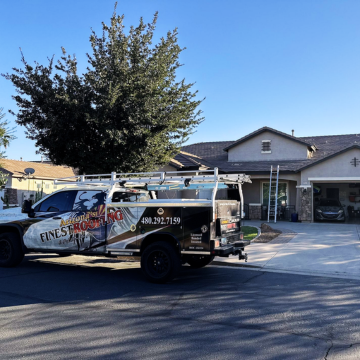
Arizona heat can be extremely hard on residential and commercial roofing systems. From cracked roof tiles and underlayment deterioration to flat roof membrane damage and monsoon leaks, Tempe property owners face several common roofing challenges throughout the year.
Regular maintenance, professional inspections, and timely repairs can help extend the lifespan of your roof while preventing expensive interior damage. Whether you own a tile roof, flat roof, apartment building, or foam roofing system, addressing heat-related roofing problems early is essential for protecting your property in Arizona’s demanding climate.
