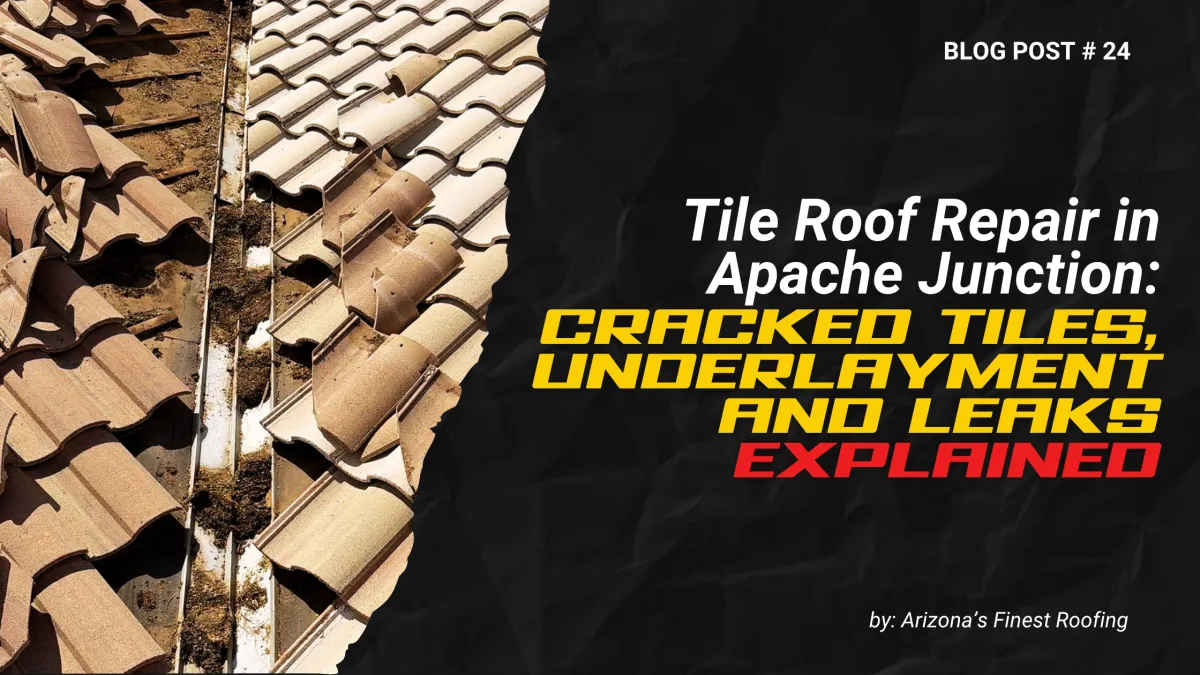
Tile Roof Repair in Apache Junction: Cracked Tiles, Underlayment & Leaks Explained
Tile roofs are a popular choice for homeowners in Apache Junction because they offer durability, energy efficiency, and a classic Southwestern appearance. However, even the toughest tile roofing systems can develop issues over time due to Arizona’s intense heat, monsoon storms, wind exposure, and aging materials. Understanding the warning signs of tile roof damage can help homeowners prevent costly structural issues and extend the life of their roofing system.
If you are searching for roof repair Apache Junction services, it’s important to know that visible cracked tiles are often only part of the problem. In many cases, hidden underlayment damage or moisture intrusion beneath the tiles can lead to leaks and wood rot if left unaddressed.
Why Tile Roofs in Apache Junction Experience Damage
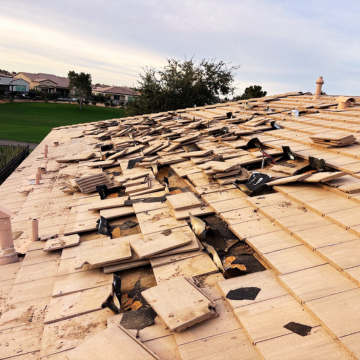
Arizona’s climate can be especially hard on roofing materials. While concrete and clay tiles are built to withstand harsh conditions, the components underneath the tiles gradually deteriorate over time.
One of the most common causes of tile roof damage is prolonged sun exposure. Constant UV rays can weaken roofing materials, dry out underlayment, and make tiles more brittle. During monsoon season, heavy rain and strong winds can shift or crack tiles, allowing water to penetrate beneath the surface.
Foot traffic is another issue many homeowners overlook. Walking improperly on tile roofs can crack tiles or loosen them from their original placement. This is why experienced roofers Apache Junction homeowners trust often recommend limiting unnecessary roof access.
Aging roofs naturally become more vulnerable as well. Even if the tiles themselves still appear intact, the underlayment beneath them may have reached the end of its lifespan. Once the waterproof barrier deteriorates, leaks can begin forming inside the home.
Common Signs Your Tile Roof May Need Repair
Homeowners often assume roof leaks are always obvious, but many roofing issues begin subtly. Recognizing early warning signs can help prevent more extensive repairs later.
Some common indicators include:
Water stains on ceilings or walls
Cracked, slipped, or missing roof tiles
Damp insulation in the attic
Mold or mildew odors
Debris buildup in roof valleys
Sagging roof sections
Increased energy bills due to poor ventilation
In many cases, small cracks in tile roofing systems may not immediately cause leaks. However, damaged tiles can expose the underlayment underneath to direct sunlight and moisture, accelerating deterioration.
A professional roofing contractor Apache Junction homeowners rely on can inspect the roof system thoroughly to determine whether the issue involves isolated tile damage or a deeper underlayment problem.
Understanding the Role of Underlayment
Many homeowners believe the tiles themselves are what make a roof waterproof, but the real water barrier is the underlayment installed beneath the tiles.
Underlayment is a protective layer that shields the roof deck from moisture intrusion. Over time, Arizona heat causes this material to dry out, crack, and lose effectiveness. Once the underlayment begins failing, leaks can develop even if the roof tiles still look relatively normal from the ground.
This is why roofing Apache Junction professionals often inspect both the tile surface and the layers underneath during repair evaluations.
Depending on the age and condition of the roof, repairs may involve:
Replacing broken or displaced tiles
Repairing flashing around roof penetrations
Replacing damaged underlayment sections
Resealing vulnerable areas
Addressing wood rot or decking issues
In more severe situations, partial re-roofing may be recommended if the underlayment has extensively deteriorated.
Why Roof Leaks Should Never Be Ignored
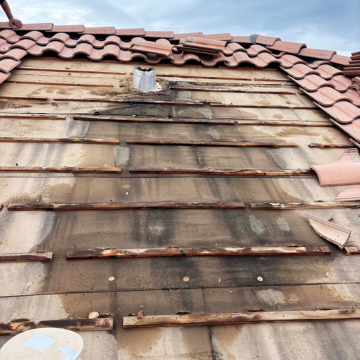
Even a small roof leak can lead to major problems if left unresolved. Moisture entering beneath the roofing system can damage insulation, drywall, roof decking, and even electrical systems.
In Apache Junction, sudden monsoon storms can quickly worsen existing roof vulnerabilities. Water intrusion may spread far beyond the original leak source, making repairs more expensive over time.
Leaks can also contribute to mold growth inside the attic or living spaces. In addition to structural concerns, mold exposure may negatively affect indoor air quality and create health risks for occupants.
Working with an experienced roofing contractor Apache Junction AZ homeowners trust can help identify leaks early before extensive interior damage occurs.
The Importance of Professional Tile Roof Inspections
Tile roofing systems require specialized knowledge and repair techniques. Improper repairs or inexperienced foot traffic can create additional damage rather than solve the original issue.
Professional inspections often involve checking:
Tile condition and placement
Underlayment integrity
Flashing around vents and chimneys
Roof valleys and drainage paths
Evidence of moisture intrusion
Structural decking condition
Experienced Apache Junction roofers understand how Arizona weather affects roofing systems and can identify problems that may not be visible from the ground.
Routine inspections are especially important after major storms or if the roof is over 15 years old. Early detection can significantly reduce long-term repair costs.
Repair vs. Replacement: What Homeowners Should Know
Not every damaged tile roof requires full replacement. In many situations, targeted repairs can restore the roof’s performance and extend its lifespan.
Repairs are often suitable when:
Damage is isolated to small sections
The underlayment is still in good condition
Leaks are minor and caught early
Most tiles remain structurally sound
However, replacement or re-roofing may be more cost-effective if:
The underlayment has widespread deterioration
Multiple leaks are occurring
The roof is nearing the end of its expected lifespan
Structural wood damage is present
A trusted Apache Junction roofing company can help homeowners determine the most practical and cost-effective solution based on the roof’s overall condition.
How Arizona Weather Impacts Tile Roof Longevity
Apache Junction’s desert climate presents unique roofing challenges. Extreme temperature fluctuations between hot days and cooler nights can cause roofing materials to expand and contract repeatedly over time.
Monsoon storms also bring:
High winds
Heavy rain
Flying debris
Dust buildup
These conditions can loosen tiles, damage flashing, and expose vulnerable roof areas to moisture intrusion.
Proper maintenance plays a major role in extending roof life. Scheduling periodic inspections, replacing damaged tiles promptly, and keeping roof valleys clean can help reduce long-term wear.
Working with experienced Apache Junction roofing contractors ensures repairs are performed using methods designed specifically for Arizona roofing conditions.
Choosing the Right Roofing Professional
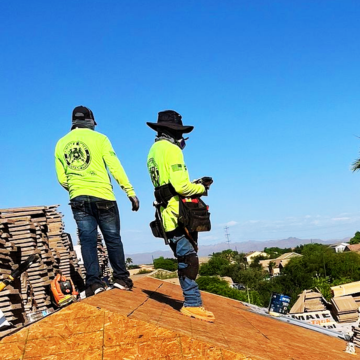
When dealing with tile roof repairs, choosing the right contractor matters. Homeowners should
look for licensed, insured professionals with experience handling tile roofing systems common throughout Arizona.
Reliable contractors should provide:
Thorough roof inspections
Clear repair recommendations
Detailed estimates
Experience with tile and underlayment systems
Strong local reputation
Hiring qualified roofers Apache Junction residents trust can help ensure repairs are completed correctly and safely.
Final Thoughts
Tile roofs are built for durability, but they still require maintenance and timely repairs to perform properly in Arizona’s harsh climate. Cracked tiles, deteriorated underlayment, and hidden leaks can quickly escalate into larger structural problems if ignored.
Whether you are dealing with visible tile damage or signs of a possible leak, addressing roofing issues early can help protect your home and avoid more expensive repairs later. Partnering with an experienced roofing contractor Apache Junction homeowners rely on can help ensure your tile roof remains secure, efficient, and ready to handle the desert environment for years to come.
