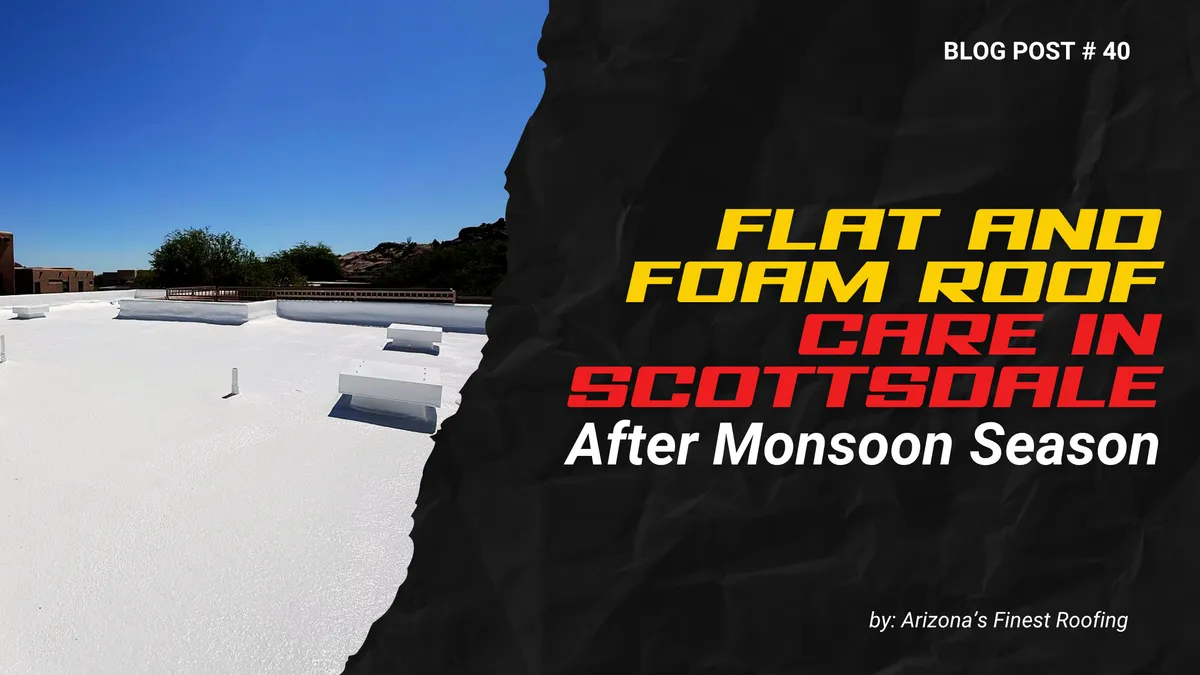
Flat and Foam Roof Care in Scottsdale After Monsoon Season
Flat and low-slope roofs are a familiar part of the Scottsdale skyline. You see them on Southwestern and contemporary homes, on office buildings, and on retail and mixed-use properties. They suit the look of the area, and they can work very well in the desert when they are maintained.
Now that monsoon season has ended and October has arrived, it is a practical time to give these roofs some attention. They have just been through a summer of intense sun and, in many cases, several heavy downpours.
Unlike a pitched roof, where water runs off quickly, a flat roof depends on careful drainage and on a well-maintained surface. This post covers what Scottsdale property owners should know about flat and foam roofing this fall.
How Flat Roofs Handle Water
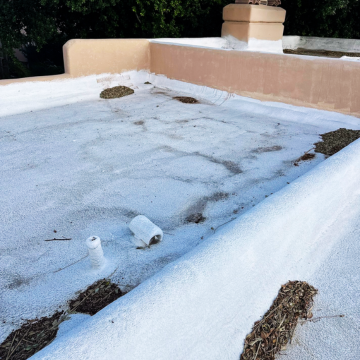
Despite the name, a flat roof is rarely perfectly level. Most have a slight slope that directs water toward drains, scuppers (openings along the roof edge), or gutters.
When those paths become blocked by debris, water can linger. This is called ponding, and it is one of the most common concerns on flat roofs. Occasional shallow water after a storm is not unusual. Water that stays for a couple of days, or that keeps returning to the same low spot, is worth having a professional evaluate.
What Foam Roofing Is
Foam roofing is a spray-applied system that forms a continuous, seamless layer across the roof. It is typically finished with a protective coating that shields the foam from sun exposure.
That coating does a lot of work in Scottsdale. Months of strong ultraviolet light can wear it over time, which is why periodic inspection matters. If you own a foam roof, or you are considering foam roofing in Scottsdale, the condition of that coating is one of the most important things to keep an eye on.
What to Look For This Fall
You can gather useful information without ever stepping onto the roof. Look from the ground, from an upper window, or from a neighboring vantage point where it is safe to do so. Also check the interior of the building.
Discolored, chalky, or worn-looking areas on the roof surface
Cracks, blisters, or peeling in the coating
Debris collecting near drains and scuppers
Water stains on ceilings or walls
Areas that look sunken or where water seems to gather
Wear around vents, pipes, skylights, and other roof penetrations
Please avoid walking on a flat or foam roof yourself. Foot traffic can damage some roofing surfaces, and a fall from any roof is a serious risk. A professional can inspect safely and document what they find.
Drains, Edges, and Penetrations
On a flat roof, the details matter. Drains and scuppers should be clear so water can leave the roof. Edges and flashing should be secure. Areas around penetrations, where pipes and vents pass through the roof, are common places for water to find a way in.
Leaves, dust, and windblown debris from the summer storms can settle in these areas. Even a modest buildup can affect how well the roof drains, so checking them is a simple step that pays off before winter rain.
Maintenance, Repair, or Replacement?
Not every worn spot means a roof has failed. Consider the difference between these situations.
Maintenance may involve clearing drains, addressing small areas of wear, and keeping an eye on the coating.
Repair may be appropriate when there is a specific problem, such as a localized crack, damaged flashing, or a point of water entry.
Larger work may be worth discussing when the surface is widely deteriorated, water intrusion is recurring, or repairs no longer hold up.
A qualified contractor should be able to explain which category applies and why, and they should not suggest more work than the roof needs.
A Note for Commercial Property Owners
If you manage a commercial property, seasonal inspections can be part of your regular routine. Documenting the roof's condition each fall creates a helpful record over time, and it makes it easier to spot changes early.
When you look for commercial roofing in Scottsdale, AZ, ask whether the contractor works with the specific system on your building, such as foam, flat, or another type. Experience with your roof type makes a real difference in the quality of the assessment.
Finding the Right Help
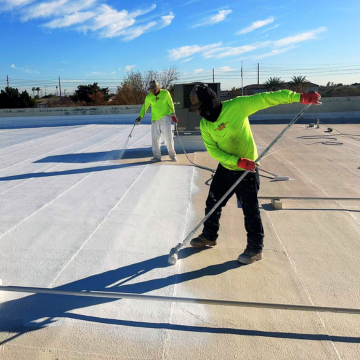
For homeowners and property owners searching for a roofing contractor in Scottsdale, AZ, or a roofer near Scottsdale, AZ, focus on objective factors. Look at licensing, experience with flat and foam systems, written recommendations, warranty information, and how clearly the contractor communicates.
If you need roof repair in Scottsdale, a clear inspection report with photos can help you understand exactly what is being recommended. For flat roof repair in Scottsdale, ask what caused the issue, not just how it will be fixed.
A Simple Fall Checklist
October is a good moment to take stock before Arizona's winter weather arrives. Clear debris where it is safe to do so from ground level, look for interior stains, note any areas where water tends to sit, and schedule a professional inspection if something looks off.
Arizona's Finest Roofing works with foam, flat, and other roofing systems for residential and commercial properties, and can help you understand what your roof needs.
