Tile Roof Installation in San Tan Valley: What to Expect
Tile is one of the most common roofing materials in San Tan Valley, and for good reason. It holds up well to Arizona’s sun and can last for decades with proper care. If you’re planning a roof replacement and leaning toward tile, it helps to understand what the installation process actually involves before work begins.
This post builds on our broader guide to roof replacement planning in San Tan Valley and focuses specifically on what happens during a tile installation.
Tile Is Only Part of the System
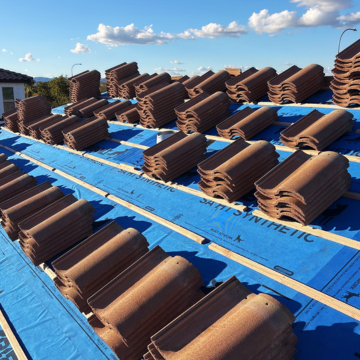
It’s easy to think of a tile roof as just the visible tiles, but there’s more happening underneath. The roofing system also includes the underlayment, battens, flashing, and ventilation components, and each plays a role in how well the roof performs over time.
Underlayment is the water-resistant layer installed beneath the tile. It’s what actually keeps water out of the home, and it tends to wear out well before the tile itself does because it’s constantly exposed to heat from above. This is one reason a tile roof can look fine from the street while still needing attention underneath.
Battens are the strips installed to hold tiles in place and create proper spacing for drainage. Products like Eagle Arched Battens are designed to support this function while allowing water to move correctly beneath the tile.
What the Installation Process Looks Like
A tile roof installation generally follows a few stages.
First, the existing roofing material is removed and the decking underneath is inspected. Any damaged or deteriorated sections of decking get repaired or replaced before anything new goes on.
Next, new underlayment is installed across the roof. This step matters as much as the tile itself, since it’s the layer doing most of the water-resistance work.
Battens are then installed to create the structure the tile sits on, followed by flashing around penetrations like vents, chimneys, and roof edges where water intrusion is most likely.
Finally, the tile itself is installed. Depending on the project, this may include specific attention to ridge lines, valleys, and transition points where roof planes meet.
Ventilation Matters Too
Attic ventilation works alongside the tile roof to manage heat and airflow. Products like O’Hagin vents are designed to integrate into a tile roof system without disrupting its appearance, while still allowing hot air to escape the attic space.
Ask your contractor how ventilation is being handled as part of your installation, especially if your home has had heat-related comfort issues in the past.
What to Ask a Tile Roofing Contractor

What underlayment options do they offer, and how do those options perform in Arizona’s climate?
How do they handle valleys, ridges, and transition areas?
What’s included in the written scope of work?
How long does a typical tile installation take for a home your size?
What warranty applies to materials versus workmanship?
A contractor who answers these clearly, and explains the reasoning behind their recommendations, is generally a good sign.
Timing a Tile Installation
Tile installation can happen throughout the year, but many homeowners find fall and early winter a comfortable time to have work done, since crews aren’t working through peak summer heat. If you’re planning ahead for a 2027 replacement, starting the conversation now gives you time to compare contractors without pressure.
For more on deciding whether replacement makes sense in the first place, see our guide to planning a roof replacement in San Tan Valley.
If you’re ready to talk tile specifically, a roofing contractor in San Tan Valley familiar with the material can walk you through options suited to your home.
