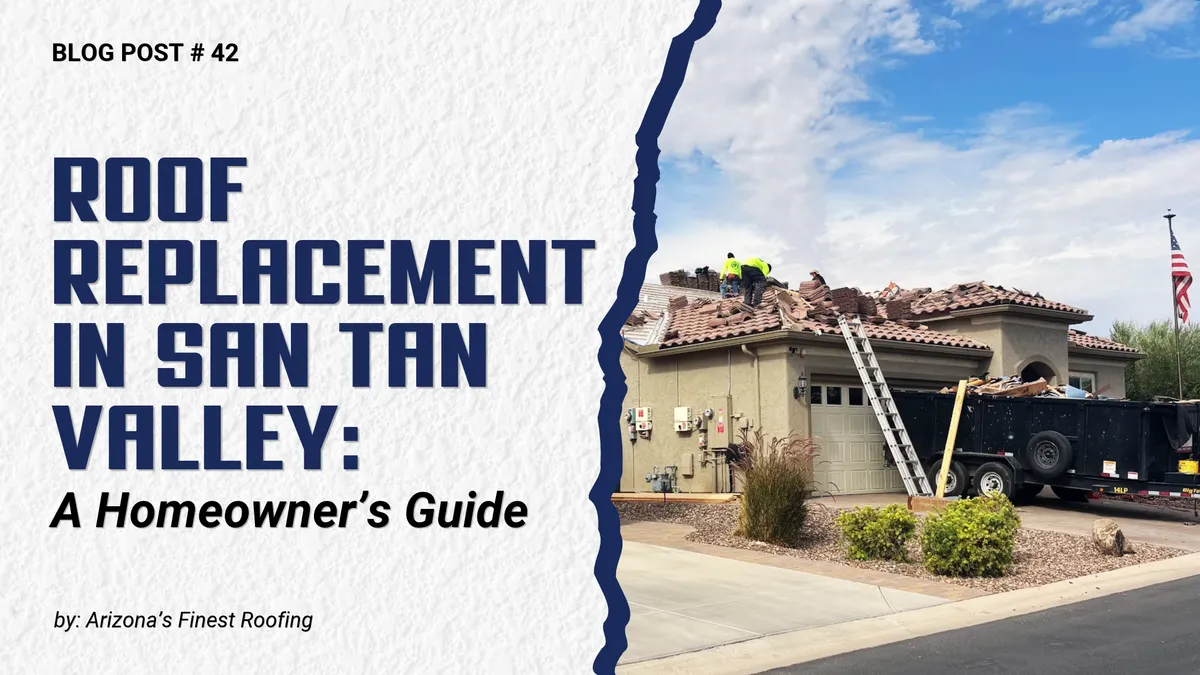
Roof Replacement in San Tan Valley: A Homeowner’s Guide
San Tan Valley has grown quickly over the past couple of decades, and a lot of homes built in that early wave are now old enough that homeowners are starting to ask a bigger question. Is it time to replace the roof, or will another repair hold things over?
November is a reasonable time to think this through. Monsoon season has passed, so any storm damage from the summer has had a chance to show itself. Winter rain hasn’t arrived yet, which gives you room to plan instead of rushing a decision during bad weather.
This post walks through how to know if replacement is worth considering, what material options exist, and what the process generally looks like. If you’re weighing tile specifically or looking into commercial or foam roofing, we go deeper on those topics in two companion posts.
Signs a Roof May Be Nearing Replacement
None of these signs automatically mean you need a new roof. They’re simply reasons to have a professional take a look.
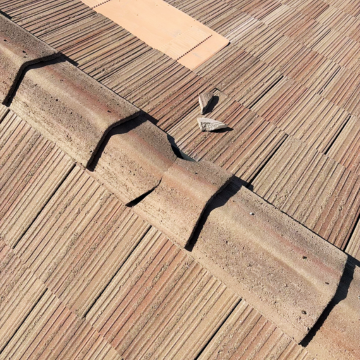
Multiple cracked, slipped, or missing tiles across different areas of the roof
Shingles that are curling, cracking, or losing granules in large patches
Leaks that keep returning even after repairs
Visible sagging along the roofline or in the decking
A roof that’s reaching or past the general age range for its material
Rising repair frequency, where you’re calling a roofer more often than you used to
Look at your roof from the ground or a safe vantage point rather than climbing up to check it yourself. A trained eye can assess conditions that aren’t obvious from below.
Repair or Replace?
This is usually the first question a contractor should help answer, and it’s worth getting a clear explanation rather than a quick recommendation.
Repair tends to make sense when damage is isolated. A handful of broken tiles, a flashing issue in one spot, or a single leak with a known cause can often be addressed without replacing the whole roof.
Replacement becomes a stronger consideration when damage is widespread, repairs aren’t holding, or the roofing materials are simply old enough that continued patching isn’t a good use of money. A contractor offering roof repair in San Tan Valley should be willing to tell you honestly which category your roof falls into.
Choosing a Roofing Material
If replacement is on the table, material choice is one of the bigger decisions.
Tile is common throughout San Tan Valley and can last for decades when properly installed and maintained. It holds up well to Arizona sun, though individual tiles can crack or shift over time. We cover the installation process for tile in more detail in a separate post.
Shingle roofing is a more budget-conscious option and comes in a range of styles. Shingle roofs generally have a shorter lifespan than tile in Arizona’s climate, so it’s worth asking a contractor how different shingle products hold up to sun exposure before deciding.
Flat and foam roofing systems are less common on standard residential homes but show up frequently on additions, patios, and some commercial buildings. These systems have their own maintenance needs, which we address separately as well.
The right choice depends on your home’s structure, your budget, and how long you plan to stay in the property. A roofing company in San Tan Valley, AZ should walk you through the trade-offs rather than pushing one material for every situation.
What the Replacement Process Involves
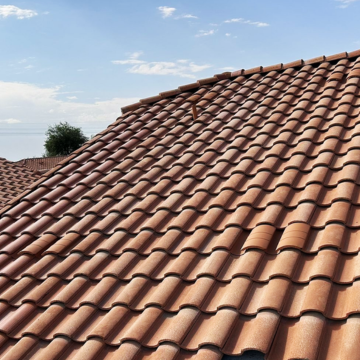
A full re-roof typically includes removing the old roofing material, inspecting the decking underneath for damage, repairing or replacing any compromised sections, installing new underlayment and flashing, and then installing the new roofing material.
Ventilation is often part of the conversation too. How well air moves through the attic affects both the roof’s performance and the home’s comfort, so ask your contractor how the plan addresses it.
Timelines vary depending on roof size, material, and weather, but a contractor should be able to give you a reasonable estimate before work begins, along with a written scope of what’s included.
Questions to Ask Before Hiring a Contractor
Are they licensed and insured to work in Arizona?
How much experience do they have with your specific roofing material?
Will they provide a written estimate and scope of work?
What warranties apply, and what do they actually cover?
How do they communicate during the project, and who do you contact with questions?
If you’re comparing roofing contractors in San Tan Valley, these questions matter more than how a company ranks in a search result.
A Good Time to Start the Conversation
You don’t have to commit to anything by having your roof evaluated. Getting an inspection in November simply tells you where things stand, what can wait, and what’s worth planning for before next year’s heat and storms arrive.
Arizona’s Finest Roofing offers free inspections for homeowners in San Tan Valley who want a clear picture of their roof’s condition before deciding on next steps.
